


Menopause: Not Deficient. Unmasked

Bestselling author David Reuben summed up society's view of the midlife woman in 1969...the year I was born.
'Once the ovaries stop the very essence of being a woman stops. She becomes as close as she can to becoming a man.'
The subtext here is clear, a woman's essence is biological and reproductive. There is no self, no psyche, no identity beyond the functioning of her ovaries. She is a baby machine. When that ceases, so does her purpose. There is no evolution, no transformation, she is used up.
For Reuben and the medical profession that followed his lead, gender is hormonal. As oestrogen declines, women default toward masculinity. To use his framework, we are almost men.
Hormonal deficiency remains the premise of mainstream medicine's approach to menopause today. We are offered hormones, specifically oestrogen, with progesterone permitted if we still have a womb. The message is unchanged, the menopausal body is deficient and needs to be corrected.
This is also consistent with Western culture's long relationship with the female body as something requiring control and management. The postmenopausal woman is threatening precisely because she no longer fits the roles she was assigned.
Dr Suzanne Steinbaum's offers a menopausal reframe. As oestrogen declines, so does its role as a caretaking hormone , one that actively encourages people-pleasing, conflict avoidance, and the prioritising of others' needs. Women in perimenopause consistently report what Steinbaum describes as less tolerance for what no longer serves them, alongside stronger boundaries and a sharper focus on their own needs.
This also connects directly to statistics in women's health. Between 70% and 80% of people with autoimmune diseases are female. While hormonal and chromosomal factors play a role, Dr Gabor Maté argues that the prevalence is significantly driven by suppressed emotion, chronic stress, and trauma. When women are culturally conditioned to place everyone else's needs before their own, the cost is physiological. The immune system begins to attack the body that went unheard. Menopause changes this. We are unmasked.
In many traditional and matrilineal cultures, menopause is understood not as medical problem but as an initiation into eldership. The shift from "Mother" to the "Wise Woman" is understood as an alchemical process and the Grandmother Hypothesis in evolutionary biology adds support for this transition. The long post-menopausal lifespan of humans appears to be a genuine survival advantage, with older women playing a critical role in the survival of the community and continued promotion of her genes. Post menopause eldership and wisdom becomes our purpose.
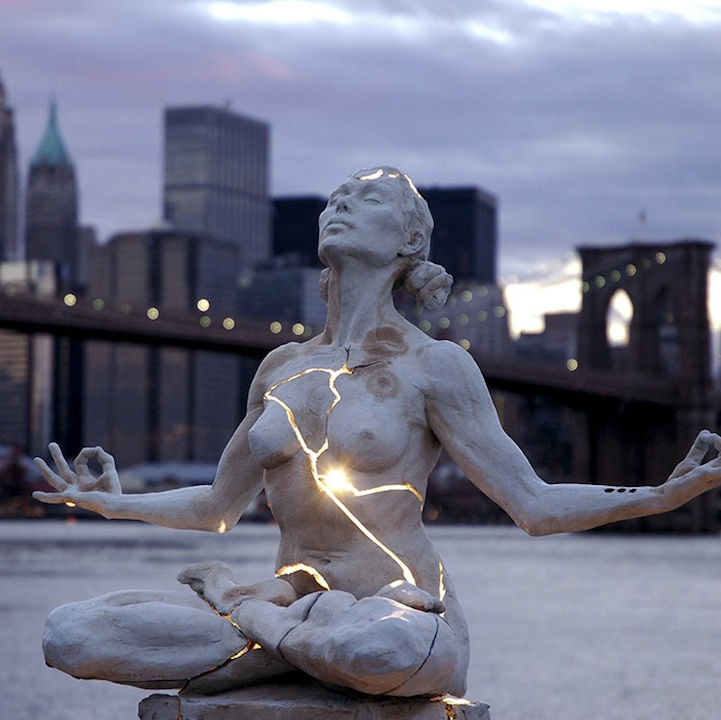
Many of us have moved through our lives without feeling fully alive, masking the parts of ourselves that didn't fit. After decades of becoming who others needed us to be, the capable one, the caregiver, the professional, the good girl, the perfectionist, perimenopause ends these roles and expectations. For many of us this is the beginning of ourselves.


Comments